Elevate Efficiency: Exceptional Data Center Operational Management Services for Exceptional Performance
Enhancing efficiency in data centers is vital for organizations looking to improve performance. Top Data Center Infrastructure Management (DCIM) services supply essential instruments for continuous monitoring and insights. Solutions from ServiceNow, Sunbird, Schneider Electric, and Nlyte distinguish themselves in this sector. These services not only keep track of equipment but also refine resource management. Understanding how to pick the right DCIM solution can generate significant gains. What aspects should organizations review to make an educated decision?
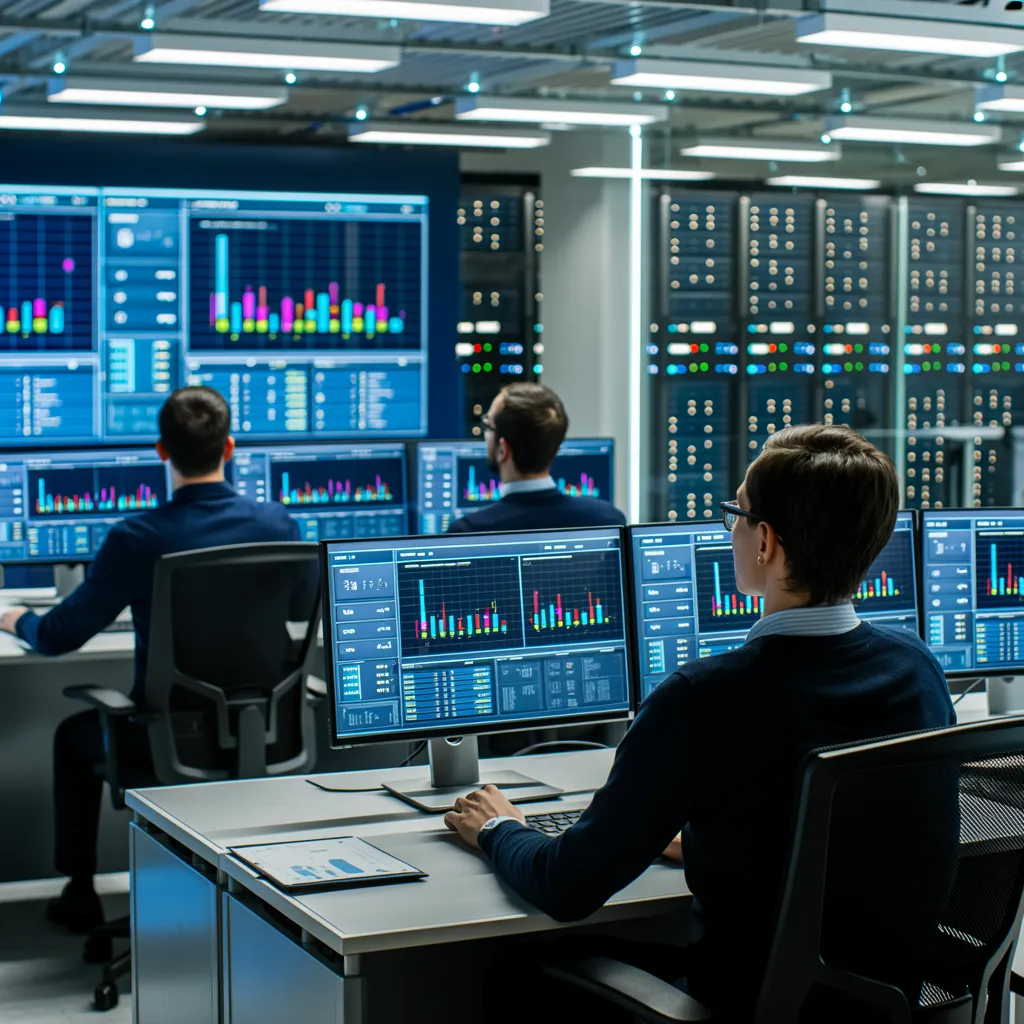
Leading DCIM Solutions for 2023
As companies increasingly rely on data centers to facilitate their operations, determining the top Data Center Infrastructure Management (DCIM) solutions for 2023 is vital. Top-tier DCIM services provide thorough solutions designed to improve resource management, improve operational efficiency, and guarantee robust monitoring capabilities. Notable players in the market include ServiceNow, recognized for its integration capabilities, and Sunbird, which specializes in real-time visualization and reporting. Additionally, Schneider Electric delivers a powerful platform for energy management and asset tracking.
Another important competitor, Nlyte, specializes in improving data center efficiency through sophisticated analytics. These solutions not only enable improved decision-making but also assist with forecasting future needs. As data demands continue to grow, selecting a DCIM service that offers flexibility and adaptability is essential. Ultimately, organizations must evaluate their specific needs to select the most appropriate DCIM service, guaranteeing optimal efficiency and reliability in their data management strategies.
Exploring Data Center system Management (DCIM)
Data Center Infrastructure Management (DCIM) includes a suite of tools and methodologies intended to monitor, manage, and optimize data center assets. By combining IT and infrastructure oversight, DCIM delivers thorough insight into the efficiency and usage of critical assets. This approach facilitates real-time data collection, enabling operators to make informed decisions regarding power usage, cooling efficiency, and area allocation.
DCIM solutions typically provide features such as inventory management, resource allocation, and environmental monitoring, which collectively improve operational efficiency. They enable facility administrators to detect constraints, optimize processes, and reduce operational costs. Furthermore, DCIM supports long-term preparation for future expansions and assists organizations comply with regulatory standards. By implementing effective DCIM methodologies, data centers can attain higher reliability, improved sustainability, and superior operational excellence, ultimately contributing to enhanced service delivery in a fast-changing digital landscape.
Essential Features for Choosing Effective DCIM Solutions
Selecting effective Data Center Infrastructure Management (DCIM) services requires meticulous evaluation of vital features that enhance performance and resource management. Crucial attributes feature immediate observation capabilities, providing instant awareness into energy consumption and environmental conditions. Integration with current systems is also critical, as seamless interaction fosters a unified approach to data management.
Scalability acts as a key element, enabling organizations to adjust as their infrastructure grows and changes. Advanced analytics can offer forecasting intelligence, facilitating proactive decision-making and reducing downtime. Intuitive dashboards improve accessibility for multiple users, while strong protective protocols safeguard sensitive data.
At last, configuration options warrant that DCIM services can be adjusted to meet specific organizational needs. By emphasizing these essential features, businesses can determine DCIM services that not only streamline operations but also contribute to perpetual development and operational success.
Determining the Most Suitable DCIM System to fit Your Particular Needs?
What approach can an organization use to select the best DCIM platform tailored to its distinct needs? The decision-making process commences with a detailed assessment of existing framework and functional requirements. Organizations should identify specific goals, such as improving uptime, strengthening resource allocation, or fine-tuning capacity planning. Additionally, examining growth potential is vital; a solution must respond to forthcoming growth and digital advancements.
Following that, organizations must examine integration capabilities. The ideal DCIM solution should function smoothly with established systems and tools. Ease of use also matters significantly; intuitive interfaces facilitate user adoption and operational efficiency.
Furthermore, organizations should investigate vendor support and community engagement, as ongoing assistance and tools can be substantial. In conclusion, performing a cost-benefit analysis ensures that the chosen solution aligns with budget constraints while providing the anticipated value. By adhering to these steps, companies can securely choose a DCIM platform that satisfies their specific demands and enhances general efficiency.
Implementing DCIM Resources to Elevate Power Management
By implementing DCIM tools, you can greatly enhance power efficiency within data centers. Through offering extensive analysis into energy usage and thermal dynamics, these tools allow operators to spot waste and refine resource distribution. With current data on energy usage, data center managers can take educated decisions about server positioning and cooling strategies, ensuring that energy is not wasted.
DCIM platforms also facilitate automation in monitoring and managing power loads, allowing for dynamic adjustments based on current demand. This adaptability can lead to major decreases in energy costs. In addition, advanced analytics within DCIM tools can pinpoint areas for further enhancement, supporting proactive measures rather than reactive solutions.
Integrating these tools into daily operations establishes a atmosphere of continuous improvement, ultimately reaching a cleaner data center ecosystem. The upshot is not only enhanced efficiency but also a reduced carbon footprint, aligning with broader environmental goals.
Live Observation : The Essential Base of DCIM Success
Real-time oversight serves a important requirement in the performance of Data Center Infrastructure Management (DCIM). By furnishing enhanced performance measurements, it permits preventative identification and optimization of resource utilization. This functionality at last contributes toward better operational efficiency and reliability within data centers.
Improved Performance Metrics
Assessing data center operational status constitutes a vital necessity for boosting operational efficiency and guaranteeing dependability. Advanced operational benchmarks convey mission-critical data concerning multiple operational sectors, incorporating energy consumption standards, thermal regulation success, and equipment allocation. Via tapping into streaming data sources, business organizations can measure their system durability and responsiveness, enabling data-driven decisions. Performance tracking tools like server accessibility, system latency, and bandwidth utilization prove effective for trend detection and establishing resource forecasts. Simultaneously, these measures build team accountability, establishing direction for strategic efforts and budget allocation. Persistent performance analysis of system performance data assists with external comparison versus standard metrics and nurtures a framework for continuous advancement. At its core, superior performance indicators function as a structural element in strong data center management, generating operational excellence and competitive advantage.
Proactive Problem Recognition
Proactive problem identification plays a crucial role in maintaining the integrity of data center operations. By utilizing real-time monitoring tools, data centers can detect potential problems prior to escalation into severe breakdowns. This strategy enables teams to respond swiftly to irregularities in heat levels, energy usage, and system functionality. Ongoing monitoring ensures that any variations from established norms are marked right away, permitting for timely interventions. As a consequence, the overall dependability of the infrastructure is enhanced, minimizing downtime and preserving service excellence. Moreover, preventive identification supports strategic planning regarding maintenance schedules and resource allocation, eventually optimizing operational efficiency. Committing resources in robust monitoring solutions is vital for sustaining optimal functioning in today's complex data environments.
Resource Deployment Refinement
Competent administration of a data center's resources copyrights upon the ability to persistently analyze and track operational metrics. Real-time tracking establishes the bedrock for optimizing resource utilization, empowering data center managers to identify inefficiencies and allocate assets effectively. By leveraging advanced DCIM tools, organizations can gather essential information on power consumption, cooling efficiency, and workload distribution. This data allows for more informed decision making, ensuring that resources are utilized to their fullest potential. Additionally, real-time analytics facilitate immediate adjustments to changing demands, minimizing waste and enhancing overall performance. Ultimately, effective resource utilization optimization not only improves operational efficiency but also furthers sustainability goals, making it a crucial component of modern data center management strategies.
Evolving Trajectories in Data Center Resource Management
As data centers evolve to meet growing requirements for efficiency and performance, emerging trends in Data Center Infrastructure Management (DCIM) are reshaping the industry. One see information on this significant development is the incorporation of artificial intelligence (AI) and machine learning, which enhances predictive analytics for resource allocation and energy management. These solutions allow real-time monitoring and automatic interventions to emerging problems, greatly reducing service interruptions.
Furthermore, the adoption of edge computing is driving a transition in DCIM strategies, as businesses seek to process data closer to its source for improved speed and optimization. This requires advanced operational systems to copyright performance across spread-out environments.
Sustainability is also at the leading edge, with a focus on reducing carbon footprints and improving resource consumption. To conclude, the rise of hybrid cloud solutions calls for more complex DCIM systems that seamlessly manage both on-premises and cloud resources, providing maximum operational efficiency.
Commonly Requested Questions
What Are The Steps To connect DCIM With Current Data Center Infrastructure?
To unite DCIM with existing data center systems, one should inspect current infrastructure, establish compatibility, configure APIs for data exchange, and complete thorough testing to confirm seamless operation and improved management capabilities across platforms.
How Much Does the Average Cost to Install DCIM Solutions?
Implementing DCIM solutions generally expenses somewhere between $20,000 and $150,000 on average, reliant on the data center's dimensions, the sophistication of the infrastructure, and the specific features necessary for ideal management.
Are there particular regulatory requirements for DCIM Services?
Indeed, specific compliance standards are required for DCIM services, such as ISO 27001 for information security, PCI DSS for payment card industry standards, and multiple environmental guidelines that direct energy efficiency and eco-friendly operations within data centers.
What Frequency Should I Update My DCIM Software?
DCIM software updates should be executed at least annually, though quarterly updates are encouraged to deliver excellent functionality, security advancements, and compliance with progressive standards. Systematic reviews help determine when updates are critical for distinct organizational needs.
Do DCIM Platforms Aid Disaster Recovery Strategy?
DCIM tools can greatly aid in emergency preparedness strategy by offering real-time monitoring, asset management, and situation modeling. This ensures that computing facilities are prepared for potential disruptions, enhancing overall resilience and restoration plans.
Comments on “Compare real-time infrastructure monitoring”